
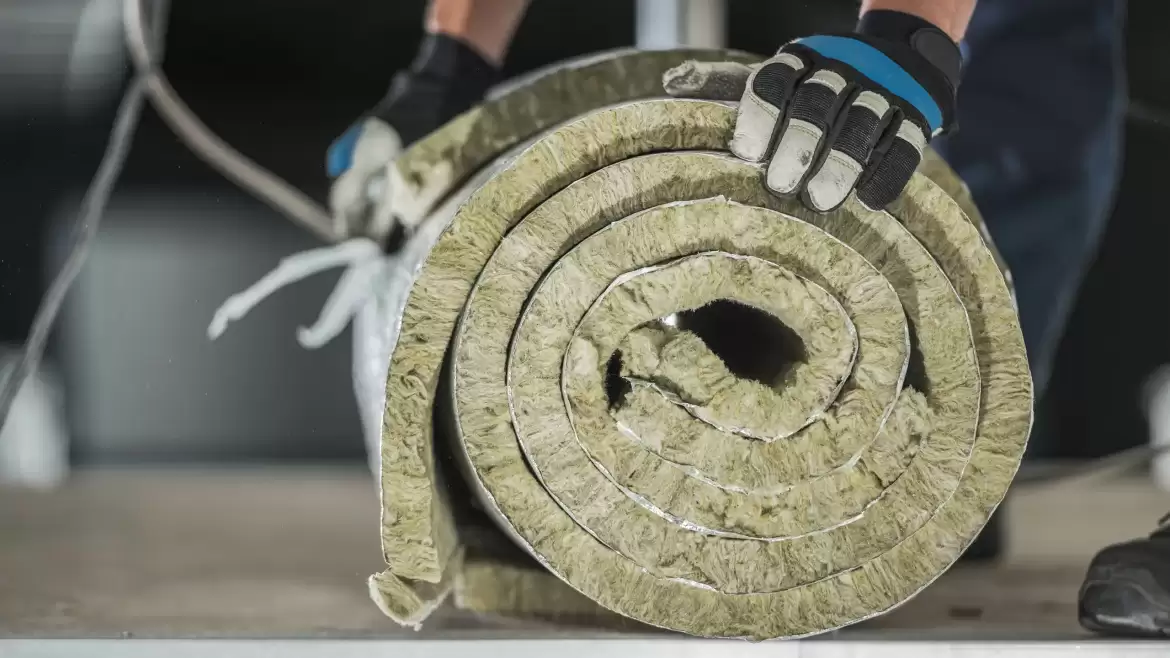
What Can Go Wrong with Insulation?
Insulation is vital for maintaining comfortable indoor temperatures and enhancing energy efficiency in homes and buildings. However, even the best insulation can encounter a range of issues that compromise its effectiveness. From improper installation to moisture problems, these challenges can lead to increased energy costs and discomfort. In this blog post, we will explore common insulation problems and offer insights on how to address these concerns effectively, ensuring your insulation performs at its best.</
1. Improper Installation
Improper installation of insulation is one of the most common issues that homeowners face, and it can have a substantial impact on both comfort and energy efficiency. This problem can manifest in several ways, including incorrect placement of insulation materials, inadequate coverage in critical areas, and the presence of gaps or voids that compromise the integrity of the insulation layer.
When insulation is not installed correctly, it can lead to significant thermal leaks. These leaks allow conditioned air – whether heated or cooled – to escape from your home, while unconditioned air enters. As a result, your heating and cooling systems must work overtime to maintain the desired indoor temperatures, leading to increased energy consumption and higher utility bills.
In addition to financial implications, improper insulation installation can also create uncomfortable living conditions. Draughts, uneven temperatures, and increased noise intrusion are all potential consequences of poorly installed insulation, detracting from the overall comfort of your home.
To ensure optimal insulation effectiveness, it is crucial to hire professionals with the expertise and experience necessary for a proper installation. A skilled team will follow best practices, ensuring that insulation materials are placed correctly, adequately cover all areas, and minimise gaps or voids. This not only maximises energy efficiency but also enhances the overall comfort of your home or building.
2. Moisture Problems
Moisture poses a serious threat to insulation, capable of causing extensive damage that can compromise both the integrity of your home and your comfort. When moisture infiltrates insulation materials, it creates an environment conducive to mould growth, structural rot, and a significant decline in thermal resistance. This not only leads to increased energy bills but also affects indoor air quality, potentially harming your health.
Common sources of moisture include leaky roofs, plumbing leaks, and condensation build-up, which are often exacerbated by poor ventilation. For instance, inadequate airflow can trap humid air inside your home, creating ideal conditions for dampness and mould. Identifying these sources early is crucial to preventing further issues.
To combat moisture effectively, comprehensive control solutions are essential. Installing vapour barriers can help prevent moisture from entering insulation materials, while proper ventilation systems ensure that humid air is expelled and fresh air circulates throughout your home. These measures not only protect your insulation investment but also contribute to a healthier indoor environment.
By taking proactive steps to manage moisture, you can safeguard your home from the negative effects of dampness and mould. This not only enhances the longevity and efficiency of your insulation but also promotes a more comfortable and safe living space for you and your family. Investing in these solutions now can save you from costly repairs and health issues down the line.
3. Settling and Compaction
Over time, insulation materials can settle and compact, leading to a reduction in thickness and thermal resistance. This settling is often a natural consequence of the building’s aging process, vibrations from everyday activities, or the use of inferior insulation products that do not retain their properties over time.
Experts can conduct thorough assessments of your insulation’s condition. If settling is detected, they can recommend appropriate measures such as insulation top-ups or complete replacements. By restoring the insulation to its original performance level, you can ensure your space remains energy-efficient and comfortable.
Regular maintenance and inspections are key to preventing insulation issues related to settling and compaction. By staying proactive and addressing any signs of insulation degradation early on, you can avoid more extensive and costly repairs in the future. This vigilance not only helps maintain optimal thermal performance but also contributes to a healthier and more sustainable living environment.
4. Pest Infestation
Insulation can inadvertently become a haven for pests, including rodents and insects. These unwanted intruders can not only damage the insulation itself but also create entry points that allow for further infestations. Moreover, pest droppings and decomposition can severely compromise indoor air quality, posing health risks to occupants.
To combat these issues, experts provide pest control services designed to eliminate infestations and prevent future occurrences. By addressing pest problems promptly, they help protect your insulation and maintain a safe, healthy environment in your home or building.
5. Aging and Deterioration
Insulation can inadvertently become a haven for pests, including rodents and insects. These unwanted intruders can not only damage the insulation itself but also create entry points that allow for further infestations. Moreover, pest droppings and decomposition can severely compromise indoor air quality, posing health risks to occupants.
To combat these issues, pest control services can help eliminate infestations and prevent future occurrences. By addressing pest problems promptly, homeowners can protect their insulation and maintain a safe, healthy environment in their homes or buildings.
In addition to pest control, regular inspections and maintenance are essential for identifying potential vulnerabilities in your insulation. By proactively monitoring for signs of pest activity and addressing any issues early on, you can minimise the risk of infestations and ensure the longevity and effectiveness of your insulation system. This comprehensive approach not only safeguards your insulation but also contributes to a more comfortable and healthier living space.
Conclusion
In conclusion, proper insulation is essential for maintaining a comfortable and energy-efficient home. Addressing issues such as improper installation, settling, and pest infestations is crucial for maximising insulation performance. By taking proactive measures to ensure your insulation is installed correctly, regularly assessed, and protected from pests, you can significantly enhance your indoor environment. Investing in these strategies not only improves energy efficiency but also promotes a healthier living space, ultimately leading to long-term savings and comfort. Prioritising quality insulation will benefit both your home and your well-being for years to come.